Fungal Nail Treatment
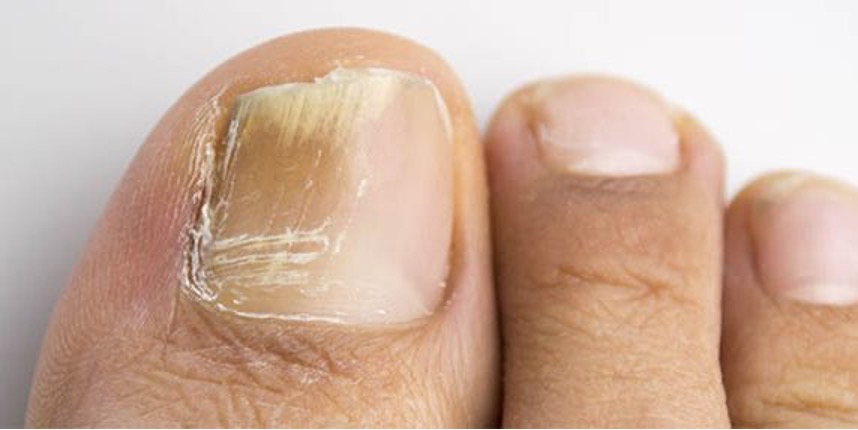
Fungal nail infection (onychomycosis) is one of the most common nail conditions we see, causing yellowing, thickening, crumbling, or lifting of the nail. Left untreated, it can permanently damage the nail and spread to other nails or the surrounding skin.
The fungus thrives in warm, damp environments — inside closed shoes, or picked up in communal areas such as showers, gyms, and swimming pools. It can also follow a trauma to the nail. Our podiatrists provide a clear diagnosis, and we may send a nail sample for laboratory culture where needed, before agreeing a treatment plan tailored to your case.
How We Test Your Nails and Skin
We use a dermatophyte test strip, a simple in-clinic test that confirms whether a fungal infection is present. It takes just 5 minutes and can be carried out during your appointment, for an additional charge.
- Detects the common dermatophytes responsible for fungal nail infections from a small nail sample.
- Scientifically proven to give accurate, reliable results.
- No need to send nail clippings to a laboratory and wait for results.
- Immediate diagnosis, so treatment can start without delay.
Why Common Treatments Fall Short
Most patients come to us after struggling with over-the-counter remedies that gave disappointing results. Fungal infection sits deep within and beneath the nail plate, which makes it hard to reach with traditional options:
- Topical paints and lacquers: struggle to penetrate the full thickness of the nail, often requiring many months of daily application with limited success.
- Oral antifungal medication: works systemically over several months and can carry a risk of liver toxicity, drug interactions, and the need for regular blood monitoring.
- Heat-based lasers: rely on intense heat to burn away the fungus, which can cause pain and discomfort during treatment.
Pain-Free Cold Laser Therapy
At London Bridge Podiatry we offer cold laser therapy — a non-thermal, dual-wavelength light treatment that targets fungal cells directly while boosting local blood circulation and supporting the body’s own immune response. Unlike heat-based lasers, there is no burning and no discomfort.
- Completely pain-free: no heat, no burning sensation, and no downtime — return to your day straight away.
- Safe for at-risk patients: a suitable option for people with diabetes, older adults, and anyone unable to take oral antifungal medication.
- Non-invasive and convenient: quick, comfortable appointments with no medication and no recovery time.
- Supports healthy regrowth: helps clear the underlying infection while encouraging the nail to grow back stronger and clearer.
Watch the video below to see how cold laser treatment works:

What to Expect During Your Treatment
- Comprehensive assessment: we confirm the diagnosis, assess the severity of the infection, and set realistic expectations for recovery.
- Targeted laser sessions: you simply relax while the cold laser light treats the affected nail and surrounding area.
- Preventative hygiene guidance: we provide aftercare advice, shoe-sanitation tips, and steps to help prevent reinfection.
Frequently Asked Questions
Will the treatment hurt?
No. Cold laser treatment is completely pain-free — there is no heat, vibration, or discomfort, and you can return to your normal activities immediately after your session.
How quickly will I see results?
Because nails grow slowly, results appear gradually as healthy new nail grows out. Many patients notice a visible improvement at the base of the nail within 8–12 weeks, with fuller nail replacement over the following months.
Is it safe if I have diabetes or circulation issues?
Yes. As a non-thermal treatment, it creates no heat damage or tissue breakdown, making it one of the safer options for patients with diabetes, poor circulation, or other sensitivities.
How many sessions will I need?
This depends on the severity of the infection, how many nails are affected, and how you respond to treatment. Your podiatrist will recommend a plan tailored to your case after your initial assessment.
Ready to Restore Your Nail Health?
Stop hiding your feet and wasting time on treatments that don’t work. Book a fungal nail assessment with our podiatry team today.
Book Your Assessment